
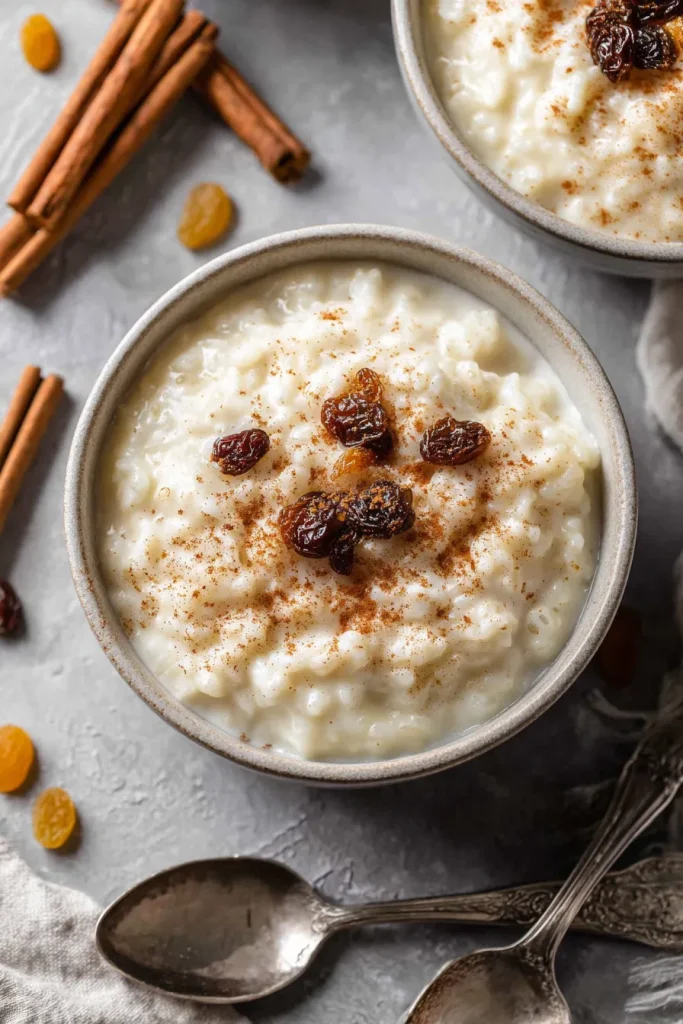
Rice pudding is what you get when a handful of rice, a pot of milk, and a little patience come together. This version leans on kismis, the plump, jammy raisins at the heart of so many South Asian desserts, and on cardamom, which makes the whole kitchen smell like a bakery.
It’s creamy without eggs, cornstarch, or condensed milk. The rice releases its own starch as it simmers and slowly turns the milk into something silky and spoonable. The hands-on work takes about ten minutes. The rest is an occasional stir.
Make it for a weeknight dessert, to finish a Sunday lunch, or for anyone who needs something soft and comforting. It’s lovely warm, and some people (me included) like it even better cold the next day.
Why You’ll Love This Recipe
- Properly creamy with no thickeners. Rice, milk, and time are all it takes.
- Pantry-friendly. Most of the ingredients are probably already in your kitchen.
- Warm spice without heat. Cardamom and cinnamon add fragrance and depth without overpowering the milk.
- Make-ahead friendly. It thickens as it chills and keeps for four days.
- Easy to adjust. Sweetness, nuts, and flavourings are all up to you.
Ingredient Notes
Kismis (raisins). Dark or golden both work. Soak them in warm water for 10 minutes first so they turn plump and juicy instead of chewy. Sultanas, currants, or chopped dates can stand in.
Rice. Short-grain rice (arborio, pudding rice, or Calrose) gives the creamiest result because it’s high in starch. Basmati works too and gives you more distinct grains, closer to a kheer. Skip parboiled or converted rice, which never breaks down enough to thicken the milk.
Whole milk. The fat matters here. Lower-fat milk gives a thinner, less luxurious pudding.
Cream (optional). A splash at the end adds richness. Extra milk works if you’d rather skip it.
Green cardamom pods. You’ll find them in the spice aisle or at South Asian grocers. Crushing whole pods gives a far more fragrant result than pre-ground, but 1/2 teaspoon of ground cardamom is a fine substitute.
Sugar. White sugar keeps the flavour clean. Brown sugar or jaggery adds a caramel note.
The amounts used in this guide, for 6 servings: 1/2 cup (100 g) rice, 4 cups (1 litre) whole milk, 1/3 cup (65 g) sugar, 1/2 cup (75 g) kismis, 4 cardamom pods, 1 cinnamon stick, 1/2 cup (120 ml) cream, 1 teaspoon vanilla, and a pinch of salt.

Step-by-Step Instructions
Prep the rice and kismis
Give the rice one quick rinse in a sieve to wash off dust, but don’t rinse until the water runs clear. Unlike rice for pilaf, you want that surface starch, because it’s what makes the pudding creamy. While the rice drains, soak the kismis in warm water for 10 minutes, then drain them. Crush the cardamom pods with the flat of a knife so the husks split and the seeds release their oils.
Simmer the rice in the milk
Put the rice, milk, cinnamon stick, crushed cardamom (husks and all), and salt in a heavy-bottomed pot. Heat over medium until the milk is steaming and tiny bubbles form around the edge, then turn it down to low. Never let it come to a rolling boil. Milk scorches on the bottom of the pot and boils over in seconds.
Stir every few minutes, scraping the bottom and corners. Rice sinks and sticks, and that’s where burnt flavour starts. Plan on 25 to 30 minutes, and watch the cues:
- First 10 minutes: the rice looks like it’s floating in thin milk. That’s normal.
- Around 15 to 20 minutes: the milk turns opaque and ivory, the rice swells, and the pot starts to smell strongly of cardamom.
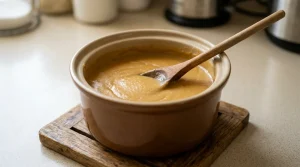
- By 25 to 30 minutes: the grains are tender with no chalky centre, and the pudding coats the back of a spoon.
Add the sugar and kismis
Once the rice is tender, stir in the sugar and drained kismis and simmer for 5 more minutes. Adding sugar earlier can keep the rice from softening properly. The kismis will plump and tint the pudding a pale gold. Don’t wander off at this stage, because the pudding thickens quickly once the sugar goes in.
Finish and rest
Take the pot off the heat and fish out the cinnamon stick and any large cardamom husks. Stir in the cream and vanilla. The pudding will look slightly loose, and that’s what you want. Let it rest for 10 minutes, during which it thickens to a soft, spoonable texture. Taste and add a spoonful more sugar if you like.

Pro Tips
- Use a heavy-bottomed pot. Thick walls distribute heat evenly and make scorching much less likely.
- Crush the cardamom with a pinch of the sugar. The sugar grains act as an abrasive, so the seeds break down and release more aroma.
- Keep extra milk on hand. A splash stirred in at the end rescues a pudding that has thickened too far.
- Stop early.
Pull the pudding off the heat when it looks a little looser than you want. It thickens as it cools, and it’s much easier to simmer a loose pudding a few more minutes than to rescue a stiff one.
Storage & Reheating
Cool the pudding, then store it in an airtight container in the fridge for up to 4 days. Press cling film directly onto the surface to prevent a skin from forming.
To reheat, warm it in a saucepan over low heat with a splash of milk, stirring until smooth. In the microwave, use 30-second bursts and stir between each. It’s also perfectly good cold, straight from the fridge.
I don’t recommend freezing. The rice turns grainy and the milk can separate when thawed.
Variations & Substitutions
- Dairy-free: swap the milk for full-fat coconut milk thinned with a little oat milk, and skip the cream.
- Saffron and rose: steep a pinch of saffron in 2 tablespoons of warm milk and stir it in with the cream, then add 1/2 teaspoon of rose water at the end.
- Jaggery or brown sugar: gives a deeper, caramel-like sweetness.
- Nuts: top with toasted pistachios, almonds, or cashews.
- Kheer-style: use basmati rice and simmer a little longer for a thinner, more fragrant pudding.
- Citrus: add a strip of orange zest with the cinnamon and remove it at the end.
FAQ
Why is my rice pudding too thick or gluey?
It simmered too long, or it cooled and tightened. Stir in a splash of warm milk until it loosens. Next time, take it off the heat while it still looks slightly loose.
Why is my rice pudding runny?
It probably needs a few more minutes of simmering, or you used lower-fat milk. Keep it on low heat and stir until it coats the back of a spoon. Remember that it thickens as it cools.
Can I use leftover cooked rice?
Yes. Simmer about 1 1/2 cups of cooked rice with 2 1/2 cups of milk for 15 to 20 minutes. The result is a little less creamy but still very good.
Is this the same as kheer?
It’s a close cousin. Kheer is usually made with basmati and simmered longer for a thinner, more reduced texture. This pudding uses more starchy rice and is thicker and creamier.
Can I use less sugar?
Absolutely. The kismis add natural sweetness, so you can reduce the sugar to 1/4 cup and taste before adding more at the end.
Serving Suggestions
- Serve warm with a splash of cold milk poured over the top.
- Spoon it cold into glasses and top with toasted pistachios.
- Pair it with poached pears, roasted plums, or fresh mango.
- Drizzle with honey or date syrup and dust with cinnamon.
- Add a crisp shortbread or biscuit on the side for contrast.
- Enjoy it with a cup of strong tea or coffee.
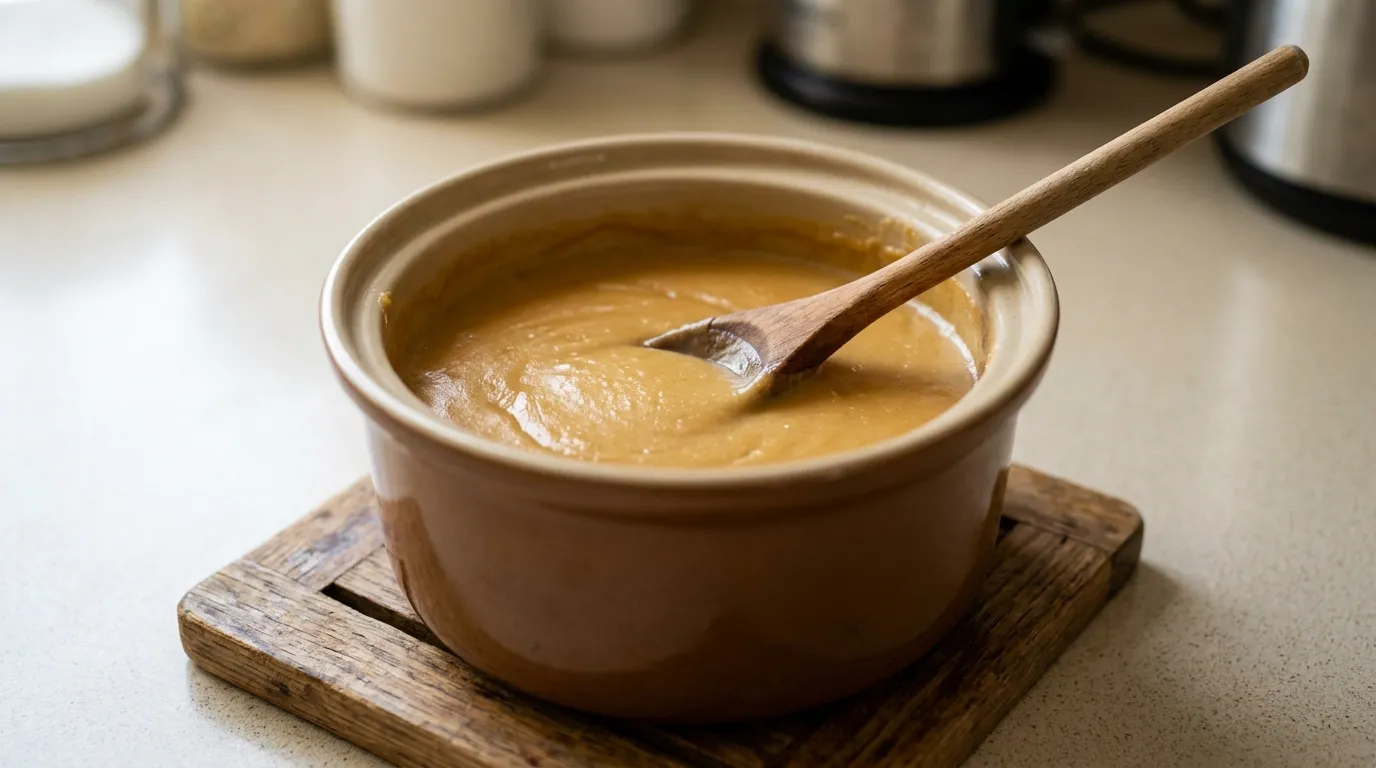
Creamy Kismis Rice Pudding
Ingredients
Equipment
Method
- Rinse the rice in a fine-mesh strainer under cold water until the water runs mostly clear. This removes surface starch so the rice cooks evenly without turning gluey. Drain well.
- In a medium heavy-bottomed saucepan, combine the rice, milk, water, sugar, salt, and cinnamon stick. Bring to a gentle boil over medium heat, stirring occasionally.

- Reduce the heat to low and simmer uncovered for 35 to 40 minutes, stirring every few minutes and more often toward the end, until the rice is tender and the mixture is thick and creamy. Keep the heat low to prevent scorching on the bottom.
- If using the egg yolk, whisk it with the cream in a small bowl. Slowly stir a few spoonfuls of the hot pudding into the cream mixture to warm it, then pour the mixture back into the pot, stirring constantly.
- Stir in the drained kismis, vanilla, ground cinnamon, and nutmeg (if using). Cook for 2 to 3 minutes more, stirring, until the pudding is thick enough to coat the back of a spoon. Remove the cinnamon stick.
- Let the pudding rest off the heat for 10 minutes. It will thicken further as it cools. Spoon into bowls or glasses and dust with a little extra cinnamon. Serve warm, or chill for at least 2 hours to serve cold.
Video
Notes
Preventing scorching: Use a heavy-bottomed pot, keep the heat low, and stir often, especially toward the end.
Soaking the kismis: Soaking keeps them plump and soft instead of chewy and hard in the finished pudding.
Thickness: The pudding thickens a lot as it cools. If it becomes too thick after chilling, stir in a splash of milk before serving.
Dairy-free: Replace the milk with a mix of full-fat coconut milk and oat milk, skip the cream and egg yolk, and use a splash more of the milk to finish.
Flavor options: Add a few cardamom pods with the cinnamon stick, or a strip of orange zest, for extra aroma.
Storage: Refrigerate in an airtight container for up to 4 days. Serve cold, or rewarm gently on the stove or in the microwave with a splash of milk. Nutrition (per serving) Calories 285 kcal Carbohydrates 43 g Protein 7 g Fat 10 g Saturated fat 6 g Cholesterol 45 mg Sodium 120 mg Potassium 330 mg Fiber 1 g Sugar 26 g